
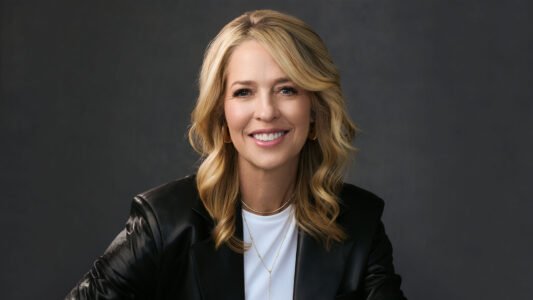
Gap Inc. has announced the creation of a new executive position — Chief Entertainment Officer — as the company deepens its push into entertainment, pop culture, and storytelling-driven brand strategy.
The retailer appointed Pam Kaufman as Executive Vice President and Chief Entertainment Officer, marking one of the first major entertainment-focused C-suite roles in the fashion retail industry.
Kaufman officially began the role on February 2, 2026, reporting directly to Gap Inc. CEO Richard Dickson.
A New “Fashiontainment” Vision
According to the company, Kaufman will lead the expansion of Gap’s new “Fashiontainment” platform — an initiative designed to merge fashion with entertainment, media, licensing, gaming, sports, music, television, film, and cultural partnerships.
Gap described the role as part of a broader strategy to strengthen cultural relevance and create deeper emotional engagement with consumers beyond traditional advertising.
CEO Richard Dickson stated that modern consumers increasingly “buy into brands that tell compelling stories and drive cultural conversations,” emphasizing that entertainment has become a central connection point between fashion brands and audiences.
Who Is Pam Kaufman?
Before joining Gap, Kaufman spent more than two decades at Paramount Global and Nickelodeon, where she oversaw global consumer products, entertainment licensing, experiences, gaming, retail, and media expansion across more than 170 international markets.
Industry analysts describe her as a specialist in turning entertainment intellectual property into large-scale cultural ecosystems spanning products, experiences, and audience fandoms.
Kaufman also brings experience from board roles connected to entertainment, travel, and cultural organizations, including the Rock & Roll Hall of Fame and Stella McCartney-related ventures.
Gap Wants to Become a Cultural Platform
The move signals a major strategic evolution for Gap Inc., which owns brands including:
- Gap
- Old Navy
- Banana Republic
- Athleta
Under Richard Dickson — previously known for helping revive Barbie at Mattel — Gap has increasingly focused on celebrity partnerships, viral campaigns, and entertainment-driven branding.
Recent examples include:
- Gap’s “Better in Denim” campaign featuring KATSEYE
- Old Navy’s collaboration with Disney
- Partnerships tied to NBA All-Star Weekend and Harlem’s Fashion Row
Analysts say the strategy reflects a broader shift in retail where brands increasingly compete not only through products, but through fandoms, storytelling, experiences, and cultural visibility.
Los Angeles Office Signals Hollywood Ambitions
As part of the initiative, Gap Inc. also announced plans to open a Los Angeles office on Sunset Boulevard to strengthen ties with the entertainment industry.
The company said the office will act as a hub for entertainment partnerships, content development, licensing, and cross-industry collaborations.
Kaufman is expected to split her time between Los Angeles, New York, and San Francisco as Gap expands its entertainment ecosystem.
Why This Matters for the Fashion Industry
Marketing experts say Gap’s move could influence how other fashion companies structure leadership in the future.
Instead of treating entertainment partnerships as isolated marketing campaigns, companies are increasingly building long-term cultural ecosystems around their brands.
Industry observers believe future fashion brands may operate more like media companies by combining:
- Content production
- Licensing
- Gaming collaborations
- Music partnerships
- Digital storytelling
- Experiential events
- Creator ecosystems
Some analysts even argue that “Chief Entertainment Officer” roles could become increasingly common among consumer brands competing for younger audiences with shorter attention spans and entertainment-driven shopping habits.
Looking Ahead
Gap’s creation of a Chief Entertainment Officer role represents more than a leadership change — it signals how fashion companies are redefining themselves in an era where culture, entertainment, and commerce increasingly overlap.
If successful, Gap’s “Fashiontainment” strategy could become a blueprint for how legacy retail brands remain relevant in a media-driven digital economy.
