
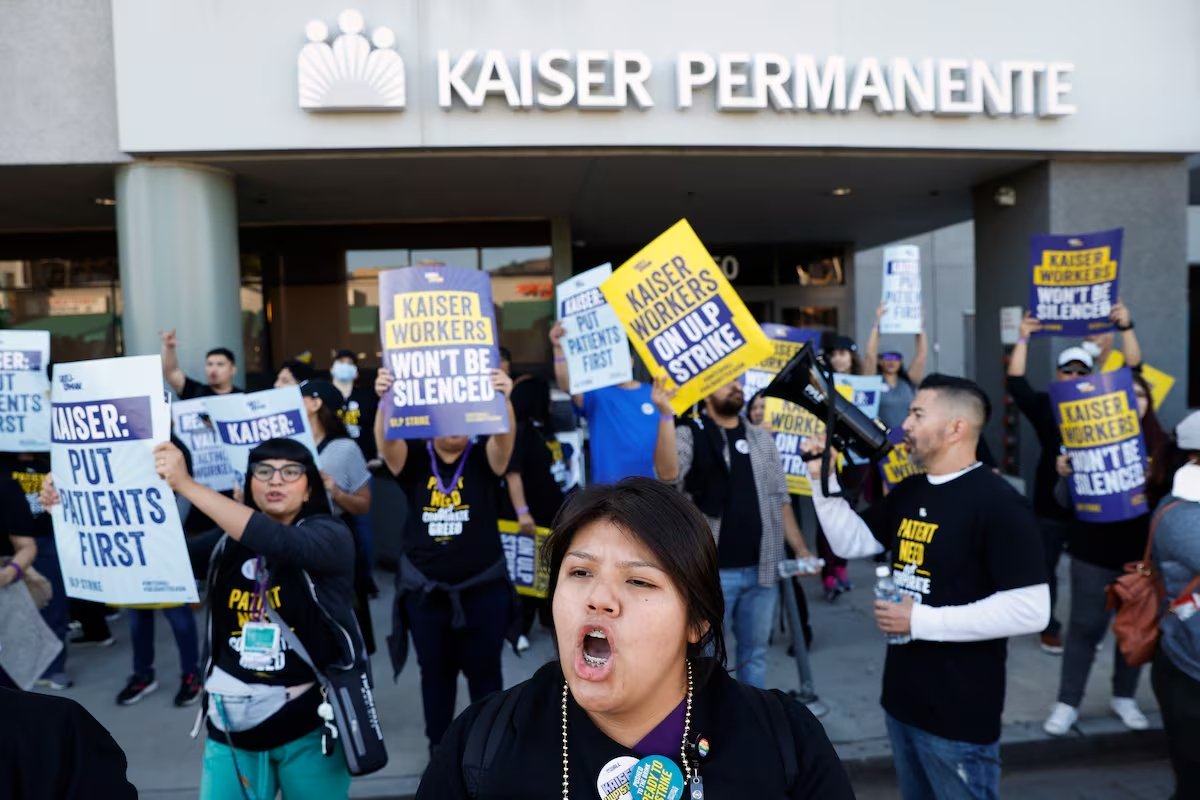
The United States labor market is facing renewed uncertainty. In February, the US economy unexpectedly lost 92,000 jobs, pushing the unemployment rate up to 4.4%. This marks the worst decline in private-sector employment since the 2020 pandemic, completely deflating the optimism generated by January’s hiring surge.
Why is the US Losing Jobs? The Bureau of Labor Statistics attributes this sharp decline to three main factors:
-
Healthcare Strikes: Major walkouts at healthcare providers like Kaiser and Tenet Hospitals led to a significant drop in medical sector employment.
-
Severe Winter Weather: Unforgiving ice storms kept an estimated 228,000 workers at home during the month.
-
The AI Revolution and Corporate Layoffs: The rise of Artificial Intelligence is drastically reshaping the workforce. Major corporations like Amazon, Walmart, and Morgan Stanley are eliminating thousands of positions to cut labor costs and increase AI-driven productivity. The media sector is also suffering, with The Washington Post recently cutting a third of its staff.
Are We Heading Towards Stagflation? With job creation slowing down and oil prices surging to $90 a barrel, economists are warning about potential stagflation—a dangerous economic mix of low growth and high inflation. This puts the Federal Reserve in a difficult position: a weakening labor market typically calls for interest rate cuts, but rising inflation risks from high oil prices might force the Fed to hold off.
As AI continues to replace traditional roles and inflationary pressures mount, the future of the US job market remains highly unpredictable.